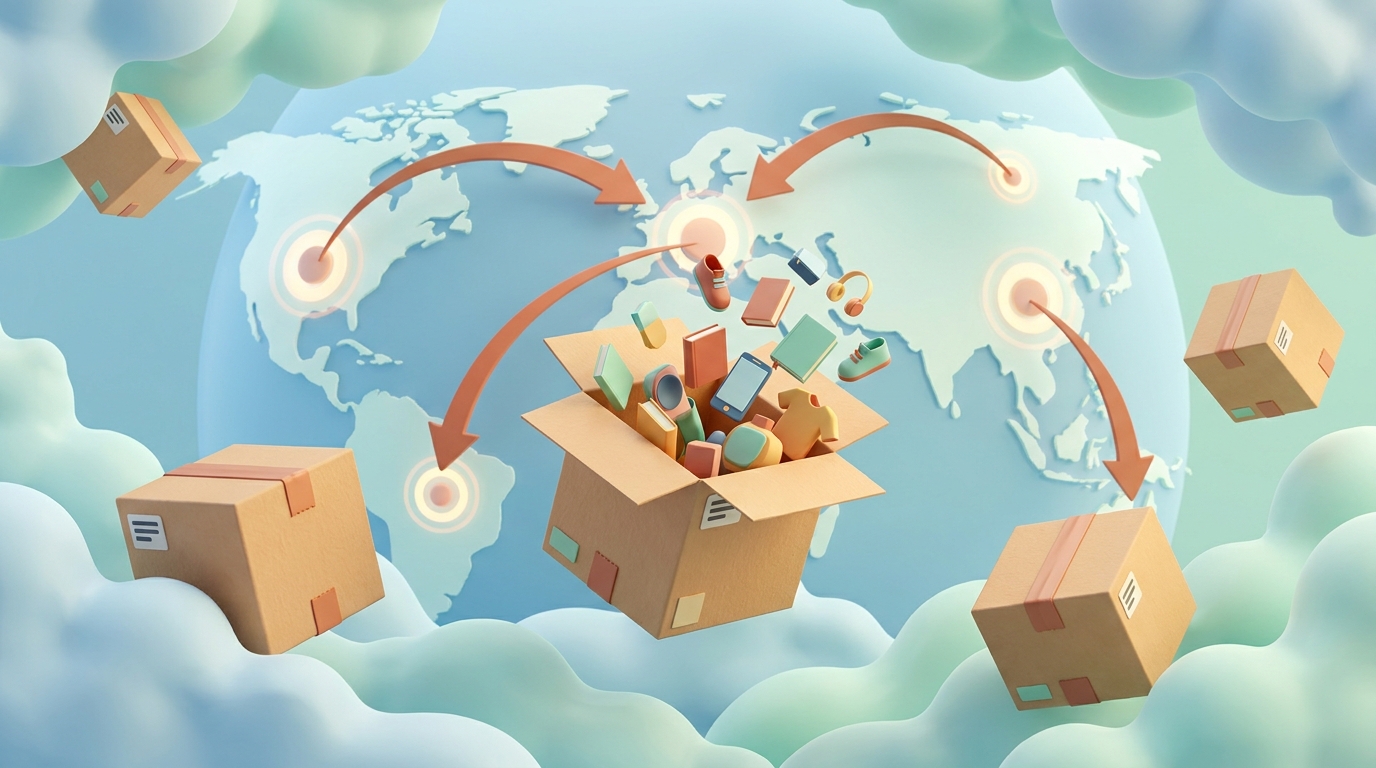
Dropshipping is one of the most accessible models for entrepreneurs entering e-commerce without a large upfront investment. The idea is simple: you run an online store, the customer orders, and you forward the order to a supplier who packs and ships directly to the buyer. You hold no inventory, rent no warehouse, and buy no stock in advance. Compared to a traditional retail operation, the capital required is a fraction.
But the story in 2026 is not the story in 2020. Competition has multiplied, paid social CPMs have climbed sharply, and buyers now expect fast shipping, not a 30-day wait from China. Dropshipping is still profitable, but it demands a different supplier strategy, a sharper brand, and a cost structure that reflects current realities.
This guide is the practical roundup. We cover how to choose a profitable niche, where to find suppliers that will not sink you, how to build a store that converts, and how to launch the first campaign without burning the budget. Every step is tied to real tools, AliExpress, Spocket, Shopify, WooCommerce, Meta Ads Manager, and to scenarios we see with merchants in the field.
How the Dropshipping Model Works, Step by Step
The process starts with a supplier who holds inventory and offers direct shipping to the end customer. You open a store, build a product page with your description and photos, and set a price that covers cost of goods, payment fees, ad spend and margin. When a customer places an order, the payment goes to you, you purchase the product from the supplier at wholesale, and you submit the customer's shipping address.
The supplier packs and ships the parcel. The package arrives at the customer with or without your branding, depending on the agreement. You keep the spread minus fees. The difference from traditional retail is that you carry no inventory and no risk on unsold stock.
Why Dropshipping Still Pays in 2026
Global e-commerce keeps growing, customs and import rules continue to shift, and consumers are increasingly comfortable buying from independent brands rather than directly from marketplaces. That is good news for the dropshipper, because you can sit between the supplier and the customer and deliver service, curation and trust that a raw marketplace cannot.
The model itself has evolved. Instead of selling generic items from China with 45-day shipping, successful dropshippers in 2026 work with regional suppliers, US-based fulfillment partners using FedEx and DHL, and European warehouses. Shipping times drop to 7 to 14 days, and conversion rates climb sharply when the buyer sees 'arrives in a week' rather than 'arrives in a month'.
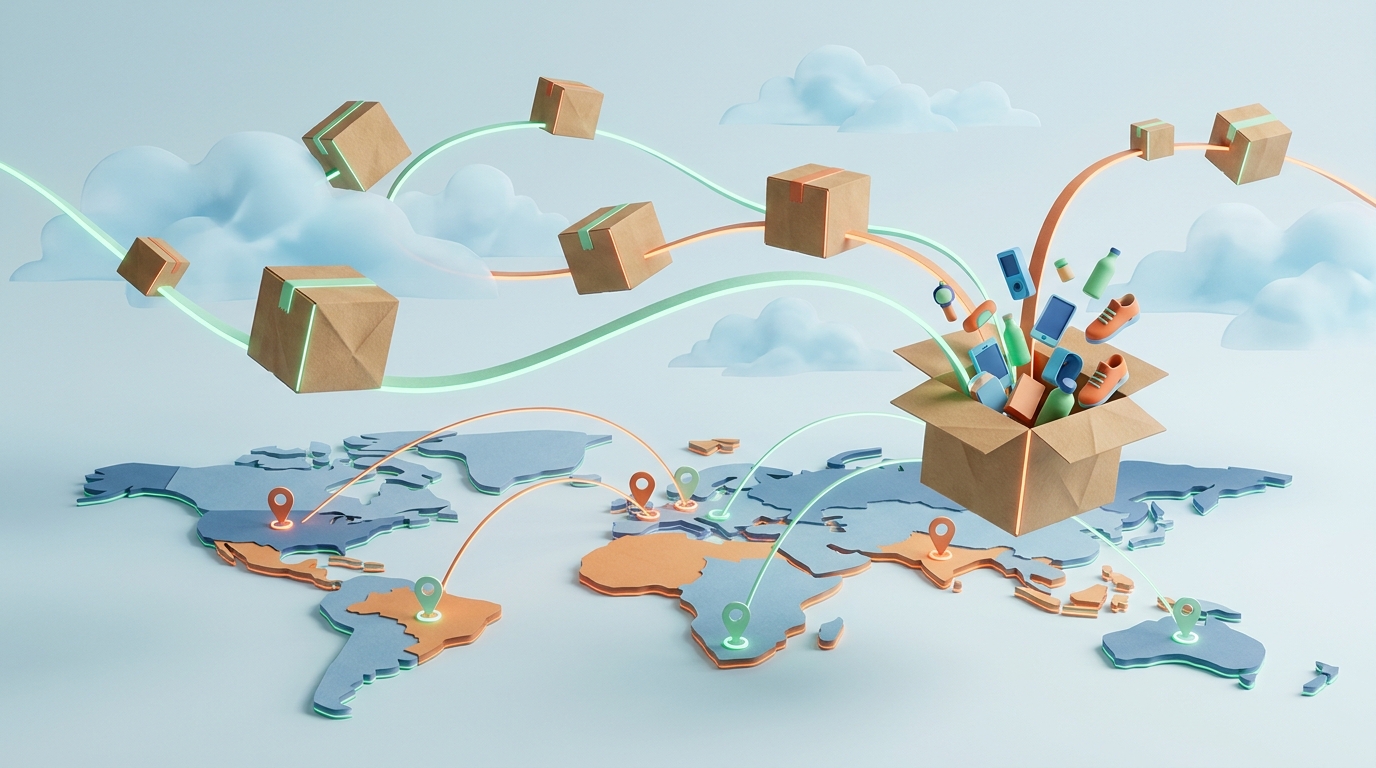
Choosing a Profitable Niche: Not Everything Works for Everyone
The classic beginner mistake is opening a generic gadget store that competes head-on with AliExpress. It will not work. A profitable niche in 2026 needs three elements: a specific audience with a real problem, products that allow at least 40 percent margin after costs, and the ability to build a real brand that speaks the audience's language.
Niches that perform today: pet supplies focused on items not easily found at PetSmart or Chewy, smart-home and gaming accessories, beauty and wellness for specific cohorts like new mothers or men over 40, and sports gear for niche communities like cyclists, runners or CrossFit athletes.
Critical mistake: choosing a niche just because 'it has volume'. High volume usually means high competition and high click costs. A narrow niche with a 5 dollar CPM often beats a broad niche with a 20 dollar CPM.
Finding Suppliers: AliExpress, Spocket and Beyond
AliExpress remains the main gateway for beginners, with access to millions of products, low prices and integrations like DSers and AutoDS that automate order forwarding. The downsides are inconsistent quality, long shipping times and limited branding on packaging.
Spocket and CJ Dropshipping are better alternatives for European and US audiences, with local suppliers that ship in 3 to 7 days. Printful and Printify enable print-on-demand for shirts, mugs and posters with custom branding. SaleHoo offers a vetted supplier directory for a one-time fee.
Critical tip: before you spend a dollar on ads, order a sample to yourself. Check quality, packaging, real transit time, and what happens when the box is opened. Most of the problems dropshippers hit after spending hundreds on ads could have been avoided by sampling first.
Platform Choice: Shopify, WooCommerce or Wix
Shopify is the industry standard: fast to set up, direct integration with DSers and other dropshipping tools, with monthly plans starting around 39 dollars. The downsides are transaction fees if you do not use Shopify Payments, and most stores end up spending another 100 to 200 dollars a month on paid apps.
WooCommerce, a WordPress plugin, is a more flexible and lower-cost option. Hosting starts at a few dollars a month, control is total, and dropshipping integrations exist via AliDropship and WooDropship. The downside is a steeper learning curve and the need to maintain security and updates yourself.
Wix suits owners who want a simple all-in-one solution. Wix Stores supports basic dropshipping, but constraints accumulate as the business grows. Simple rule of thumb: for beginners aiming to hit a first sale within two weeks, Shopify. For owners planning a long-term independent brand, WooCommerce.
Building a Brand That Stands Out
A strong brand is the only defense when the product is the same one a thousand other dropshippers are selling. Brand is built on three components: a name and visual identity, a real story that explains why you picked these products, and a service level a generic store cannot offer.
Start with a niche-relevant domain, a simple logo created in Looka or Canva, and a consistent color palette. Build a personal About page that tells your story, even if it is just 'I'm a dog owner who could not find quality chew toys in my country'. That real story turns a casual buyer into a returning customer.
Branded packaging is a meaningful competitive edge. Services like ShipBob, AutoDS Branded Invoices, or direct agreements with suppliers on 1688 let you add a sticker, a thank-you note or an insert card. The difference between a generic box and a box with a 'thank you from X' note is often the difference between a 3-star review and a 5-star review.
Pricing Correctly: Counting Every Cost, Not Just the Product
Pricing is the most common failure point. A beginner buys a product for 5 dollars, sells it for 18, and believes they are making 13. In reality they are losing money. The real math includes payment processing (2 to 3 percent), platform fees, ad cost (CAC of 15 to 30 dollars is common today), support cost, refunds and returns.
A simple formula that works: supplier price times at least three. If a product costs 5 dollars, the customer price should be at least 15. If that does not leave reasonable headroom for marketing, you need a different product or a different niche. A 1.50 dollar margin per item will not build a business.
Across merchants we work with, stores that cross six figures in revenue without correctly tracking ad cost often discover at quarter-end they are deeply in the red. Track real metrics in tools like Lifetimely or TrueProfit, and produce a weekly true-profit report, not just revenue.
Launching the First Ad Campaign
Meta Ads Manager remains the leading acquisition channel for dropshipping, across Facebook and Instagram. For a first campaign, start with a daily budget of 20 to 30 dollars, a Sales objective optimizing for purchases, and a short 15 to 20 second video creative showing the product in action.
TikTok Ads has taken a central role for younger niches. CPMs are still relatively low, and UGC-style creative that feels authentic outperforms polished studio work. For B2B or professional niches like reading glasses or home-office gear, Google Shopping can be a profitable channel, especially when you target long-tail keywords.
Budget rule of thumb for month one: allocate 800 to 1,500 dollars for testing. Do not expect profit in month one, expect to learn which products sell, which creatives work, and which audiences convert. Month two should turn positive, month three should be profitable.
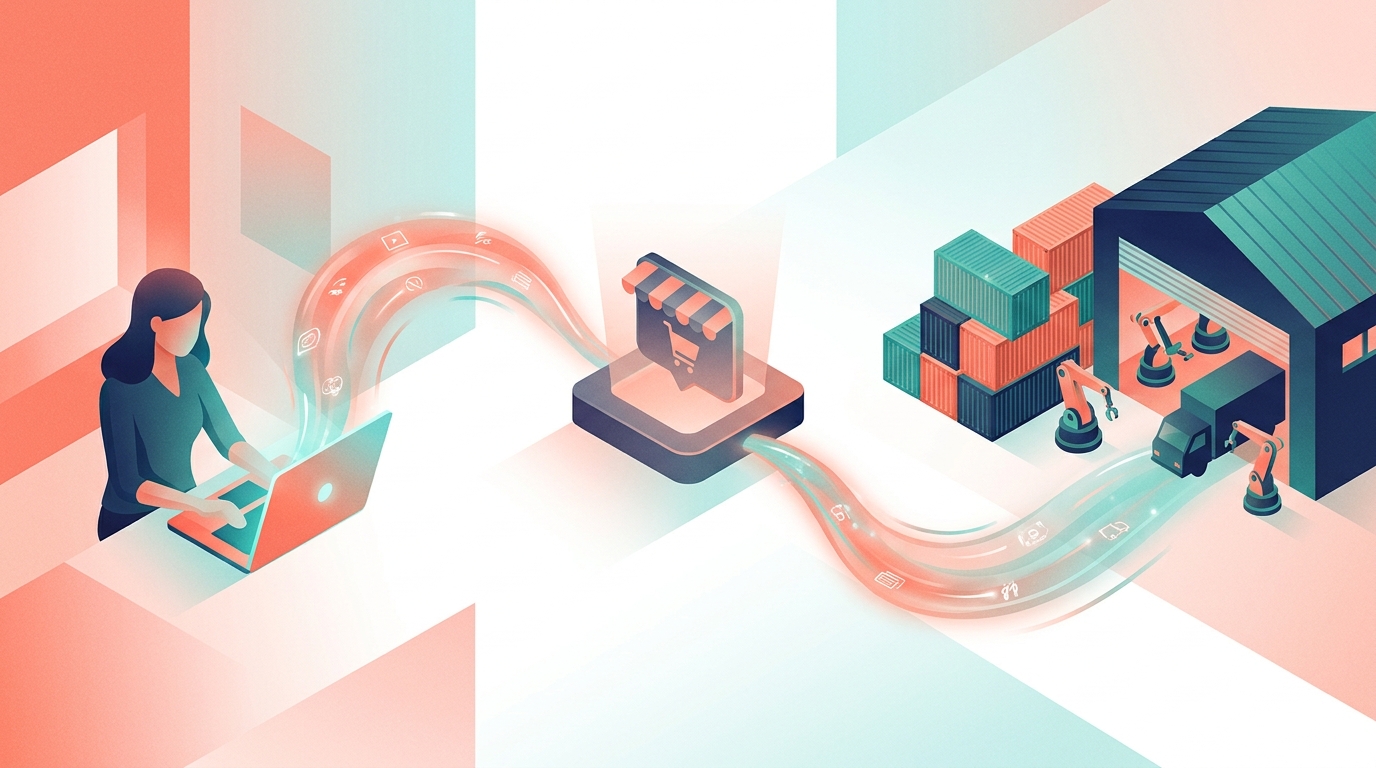
Customer Service: The Difference Between a Store and a Brand
Dropshipping inherently produces complaints, delayed shipments, broken items, wrong sizes. The way to turn this into an edge is speed and transparency. A site chat with Tidio or Crisp, email replies within 24 hours, and a clear warranty page are the baseline.
Invest in a fair return policy, even if it costs you money in month one. A buyer who gets a no-questions refund usually becomes a recommender. A buyer who gets bureaucracy on a complaint takes the story to Google Reviews and Trustpilot, and it costs you far more.
A tool worth adopting: a business messaging system like Gorgias or HelpScout that consolidates email, chat and social DMs in one inbox. Response time directly correlates with repeat-purchase rate.
Taxes, Legal and Compliance
Dropshipping is a real business with real obligations. You typically need to register the business, collect and remit sales tax or VAT where applicable, and report income. Thresholds vary by country and state, but once you cross them, registration and remittance are mandatory.
Sales tax or VAT is generally charged on the sale to the end customer, even when the product ships directly from a third-party supplier. There are also laws on email marketing (CAN-SPAM, GDPR), privacy policies (CCPA, GDPR), and return rights (14-day distance-selling rules in the EU). A solid legal page on the site, ideally drafted by an e-commerce attorney, is worth the cost.
Common question: what about import duties? If the parcel ships directly to the customer and value is below the de minimis threshold, the buyer typically owes nothing extra. For higher-value goods, factor duty into pricing or use DDP (Delivery Duty Paid) shipping so the customer is not surprised at delivery.
Analytics and Continuous Improvement
A dropshipper who does not analyze is guessing. The minimum stack includes Google Analytics 4 for the site, Meta Pixel with Conversions API for paid social, and Shopify Analytics or WooCommerce reports for profitability. Tools like Hotjar or Microsoft Clarity show heatmaps of how users behave on the product page.
Weekly metrics to watch: ROAS (Return on Ad Spend), CAC (Cost of Acquisition), AOV (Average Order Value), Repeat Purchase Rate. Small improvements in any of these compound into profit. For example, lifting AOV from 45 to 60 dollars with bundles and upsells can turn a losing campaign into a winner.
Mistakes You Have to Avoid
Mistake one: picking a product because 'it is trending on TikTok'. By the time the store is live, the trend has passed. Pick evergreens, products that sell year after year. Mistake two: spending on ads without enough creative. One photo and one piece of copy is the default path to failure.
Mistake three: not ordering samples. Mistake four: not checking the store on mobile before going live. Most purchases today happen on mobile, and if the checkout is broken on a phone, most of the audience is lost. Mistake five: quitting after two weeks. Dropshipping is a game of months, not days.
Practical Conclusion: The First 90-Day Plan
Days 1 to 30: niche research, domain purchase, store setup on Shopify or WooCommerce, ordering 3 to 5 supplier samples, and shooting product photos yourself. Build a personal About page, a terms page, a returns policy, and a live chat. Do not start advertising until the foundation is in place.
Days 31 to 60: launch a first campaign on Facebook or TikTok with a 20 to 30 dollar daily budget, build 3 to 5 different creatives to test, and track metrics daily. You should see first sales, even if not yet profitable. Analyze which products and creatives are working.
Days 61 to 90: double the budget on what works, kill what does not, optimize the product page based on Hotjar findings, and set up an email marketing stack with Klaviyo or Omnisend for repeat purchases. By the end of 90 days you should know whether the business is viable, and if it is, the path is to scale. Dropshipping is a real business, not a fantasy. With planning, data and consistent investment, it works.